Knowledge Center

My Saved Articles
Back

The Writing Process

Draft

Writing the first draft may seem like it should be the longest and most difficult stage in the process. Many professional writers, however, spend less time on the drafting stage, instead investing more time and effort in planning and then revising.

Tips for efficient drafting:

  • Write quickly, following your outline or plan as closely as possibly.
  • If you get stuck on one point and stop making progress, move on. During the revision stage, you can go back and work through any difficult areas.
  • Don’t censor yourself. Be aware of the word count and other requirements for your publication venue, but don’t let restrictions keep you from adding valuable examples and other details. The revision stage is the time to evaluate what can be cut and what should be kept.
  • Don’t agonize over word choice, grammar, and punctuation. Focus on the substance of your content. You will have plenty of time to revise and edit later.
  • Use "I." Many ASQ publications emphasize practical application. If you’re writing about your own experience, don’t be afraid to use the first-person point of view.
  • Go back to the planning stage if necessary. Writing is an iterative process.
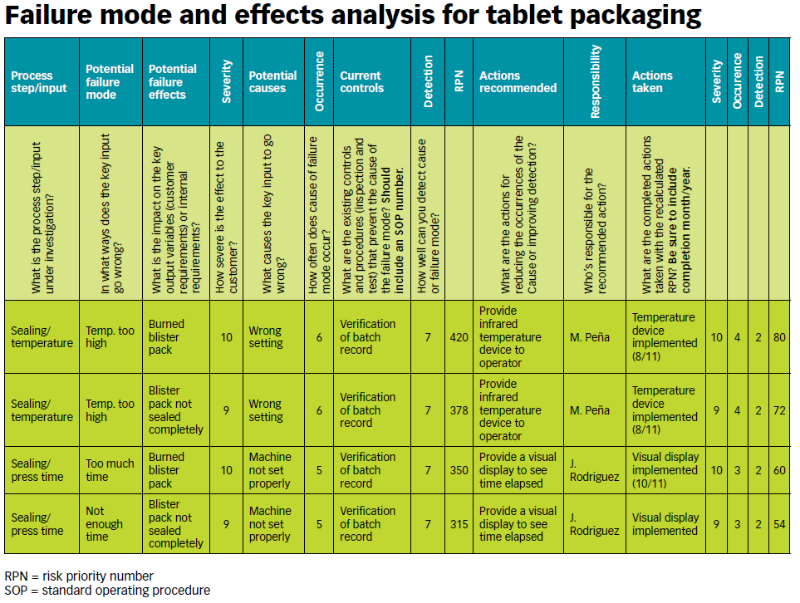
  • Write about the pictures, tables, graphs, and other figures you are incorporating. When you include a figure, explain it for your audience.
    
  • Print this page
  • Save this page